02 · Custom operational software
One system, instead of six that disagree.
Proposals that do not reach scheduling. Scheduling that does not reach billing. Billing that does not reach accounting. Every gap is closed by a person copying information between tools — and that person does not scale.
How it works
We build the operational layer a growing company runs on: the applications your team works in every day, shaped around how the business actually delivers value rather than around someone else's template.
That usually means a core workflow — quote to scheduled work to invoice — plus the surfaces around it: a portal for clients, an app for the field, a dashboard leadership can trust without asking five people first.
Thirty years ago we built a real-time booking system for a ferry company whose reservations lived in notebooks. Capacity utilisation improved, not because they bought more ships, but because the information finally existed in one place. That system is still running today.
What you get
Concrete things, not a retainer.
Custom web applications
The system your operation runs on, built to your workflow.
Customer and partner portals
Somewhere clients and subcontractors see status and approve work.
Field and back-office apps
What the crew uses on site, connected to what the office sees.
Estimating, proposal and approval
Quotes carrying your pricing logic straight into scheduled, billable work.
Scheduling and resource coordination
Jobs, people and equipment on one board that reflects what is committed.
Real-time dashboards
The operational picture leadership can trust.
How we run it
- 01ModelThe operational model from discovery becomes the shape of the system.
- 02BuildCustom development, low-code, or both — chosen by the problem, not a house stack.
- 03LandAdoption by the people who will use it, which is where most builds actually fail.
This is for you if
- Core systems do not communicate
- Employees routinely copy information between tools
- Leadership lacks a trustworthy operational picture
- Growth is adding complexity faster than capacity
- An off-the-shelf product almost fits, and the gap is expensive
What this is not
- Rebuilding something that already works well enough
- A platform play when a single workflow was the problem
- Software delivered to a team nobody prepared for it
Where we have done this
9 shipped systems that used it.
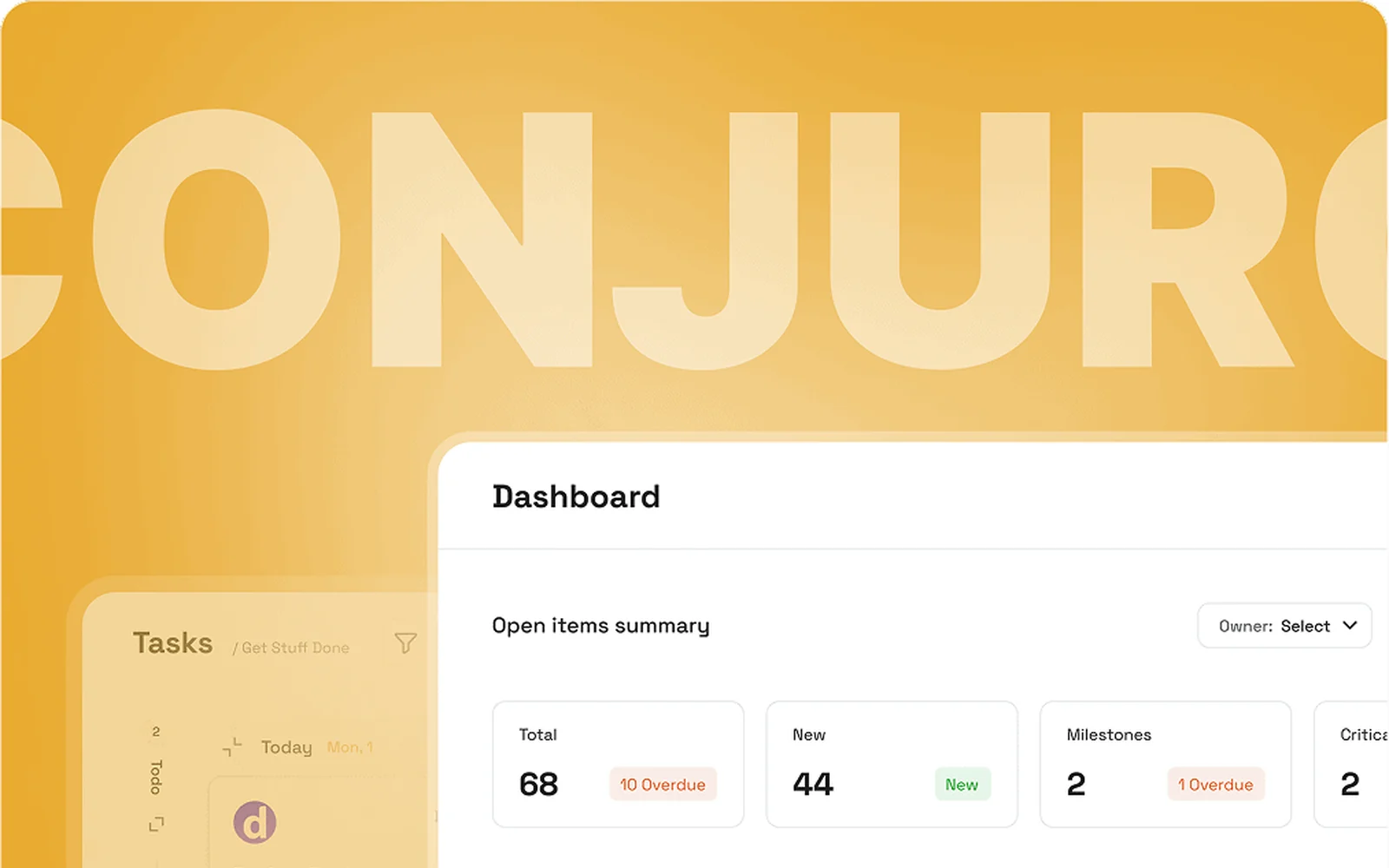 ConjuroAI operations platform
 Vibe ConsultingAI-powered fashion business consultancy
 GloraFiFinancial reporting platform
 Fashion My-WayB2B demand intelligence platform
 EmfloweredFlower farm planning software
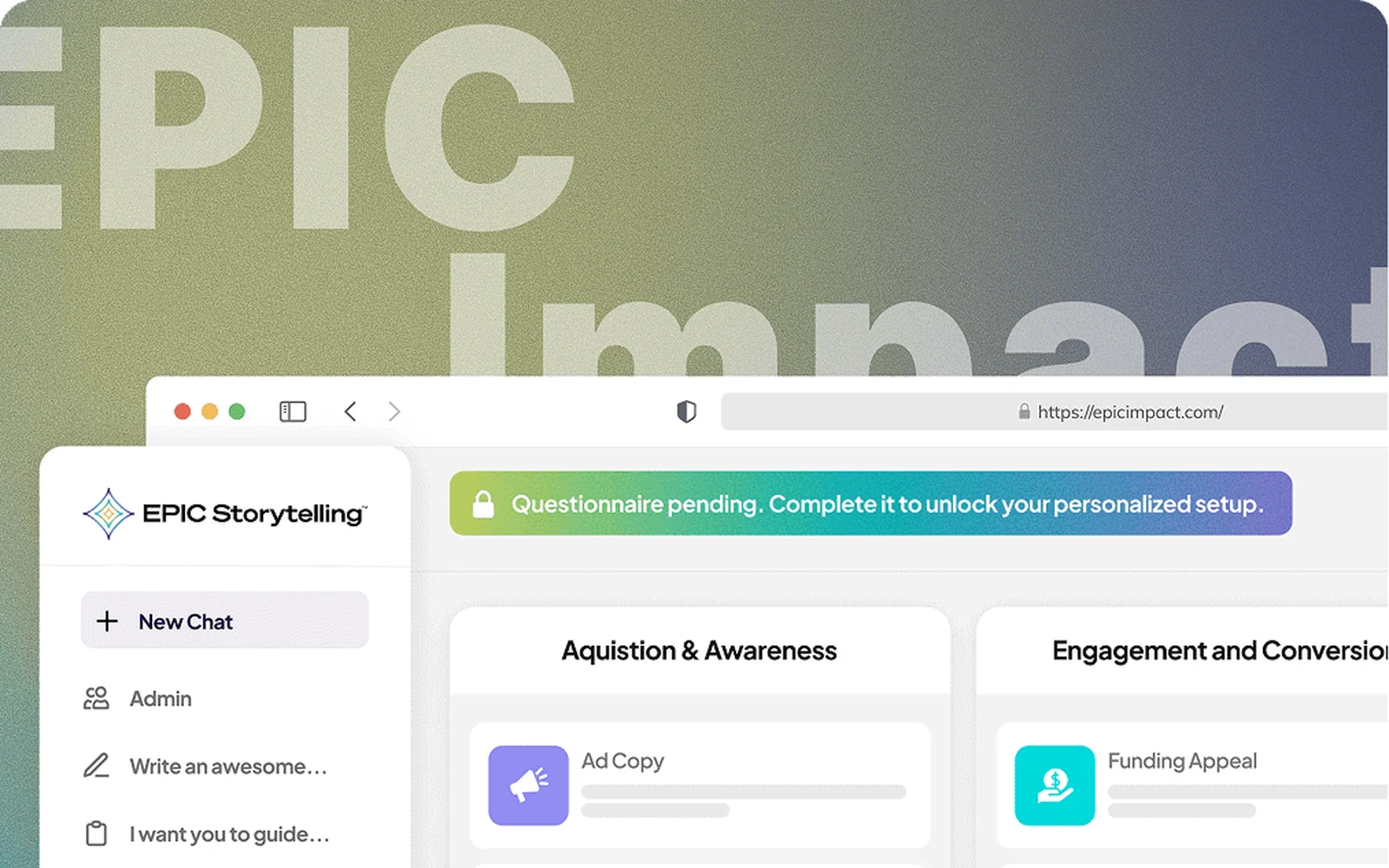 EPIC ImpactMessaging platform for mission-driven teams
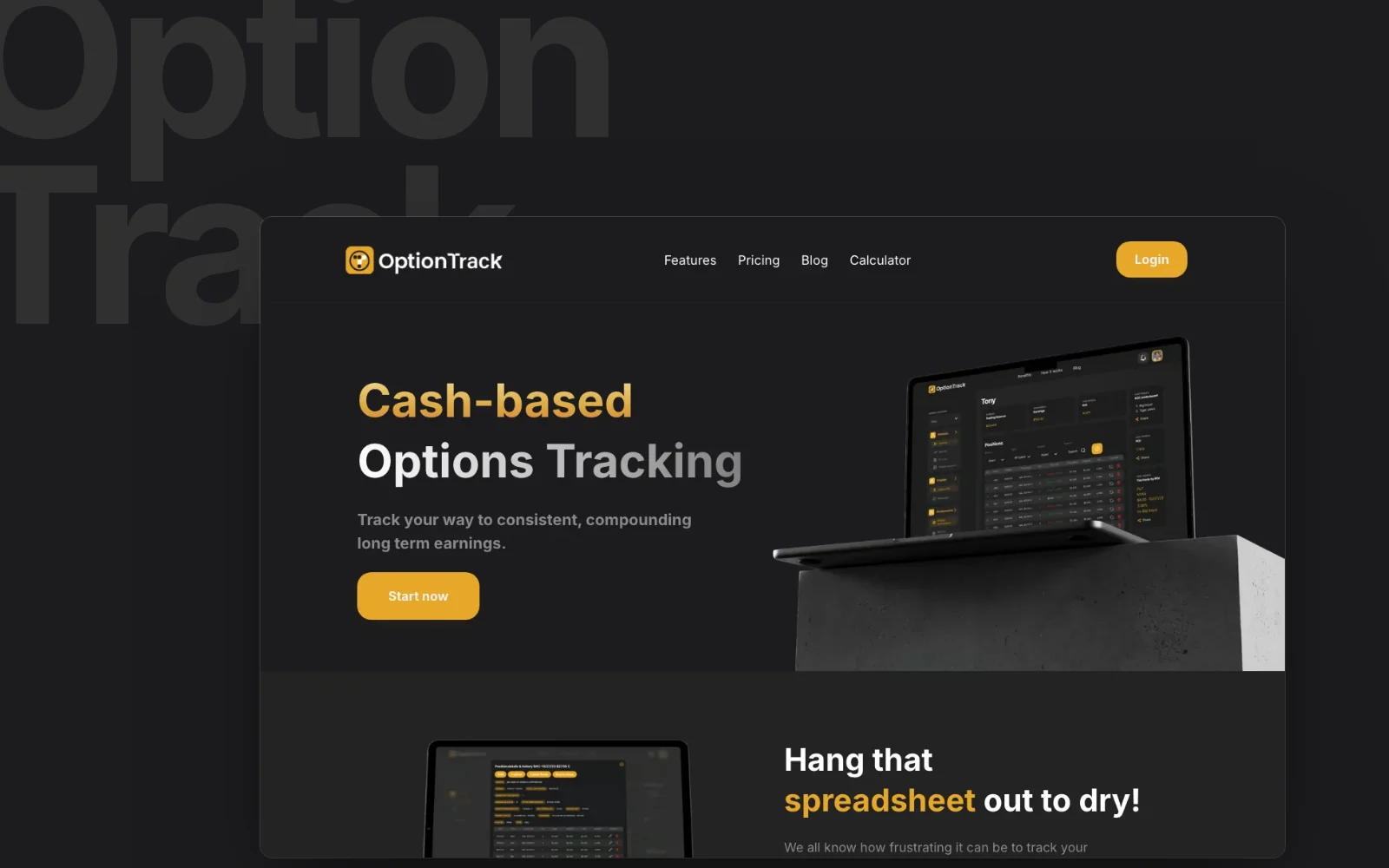 OptionTrackTrading analytics SaaS
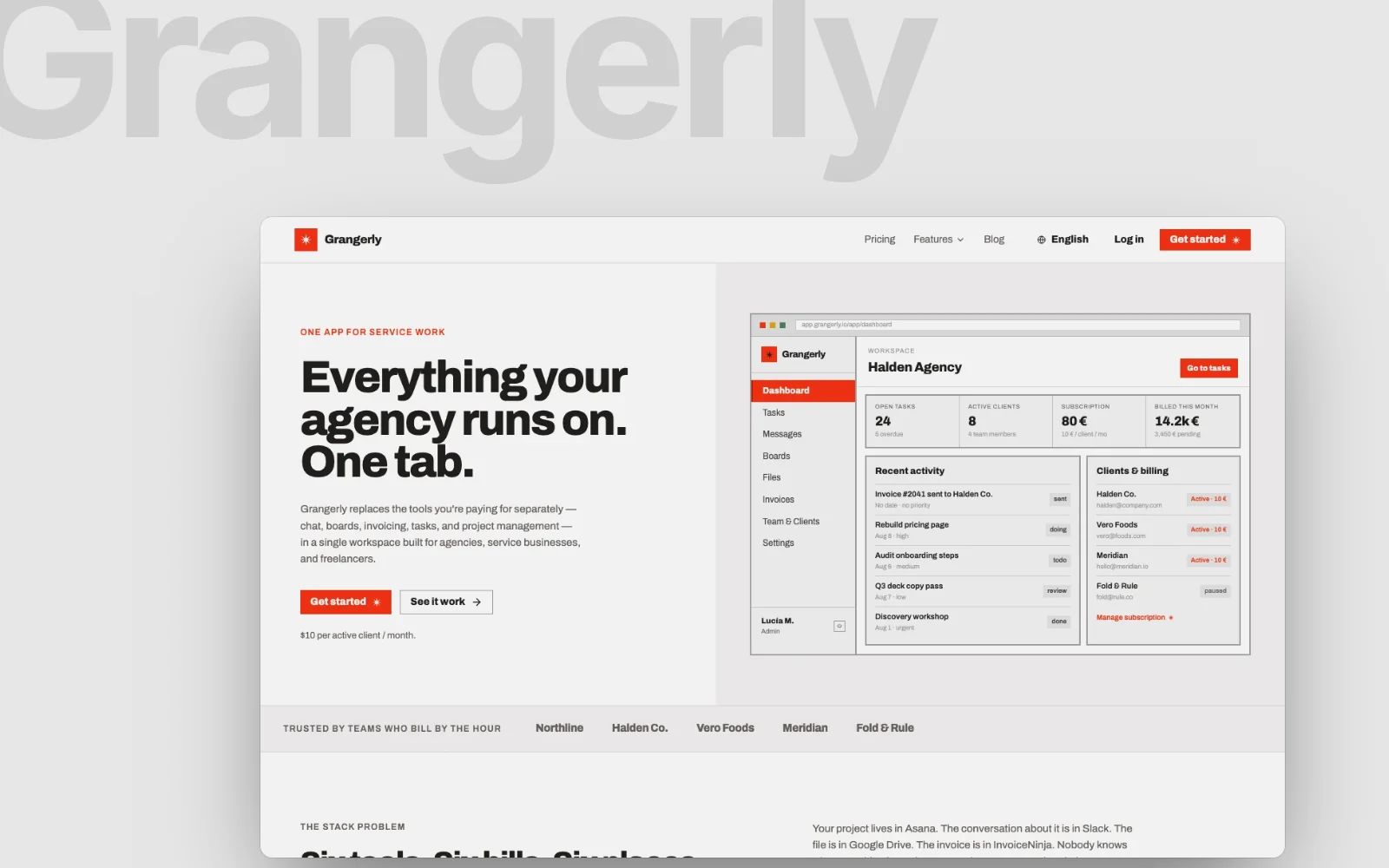 GrangerlyAgency operations app
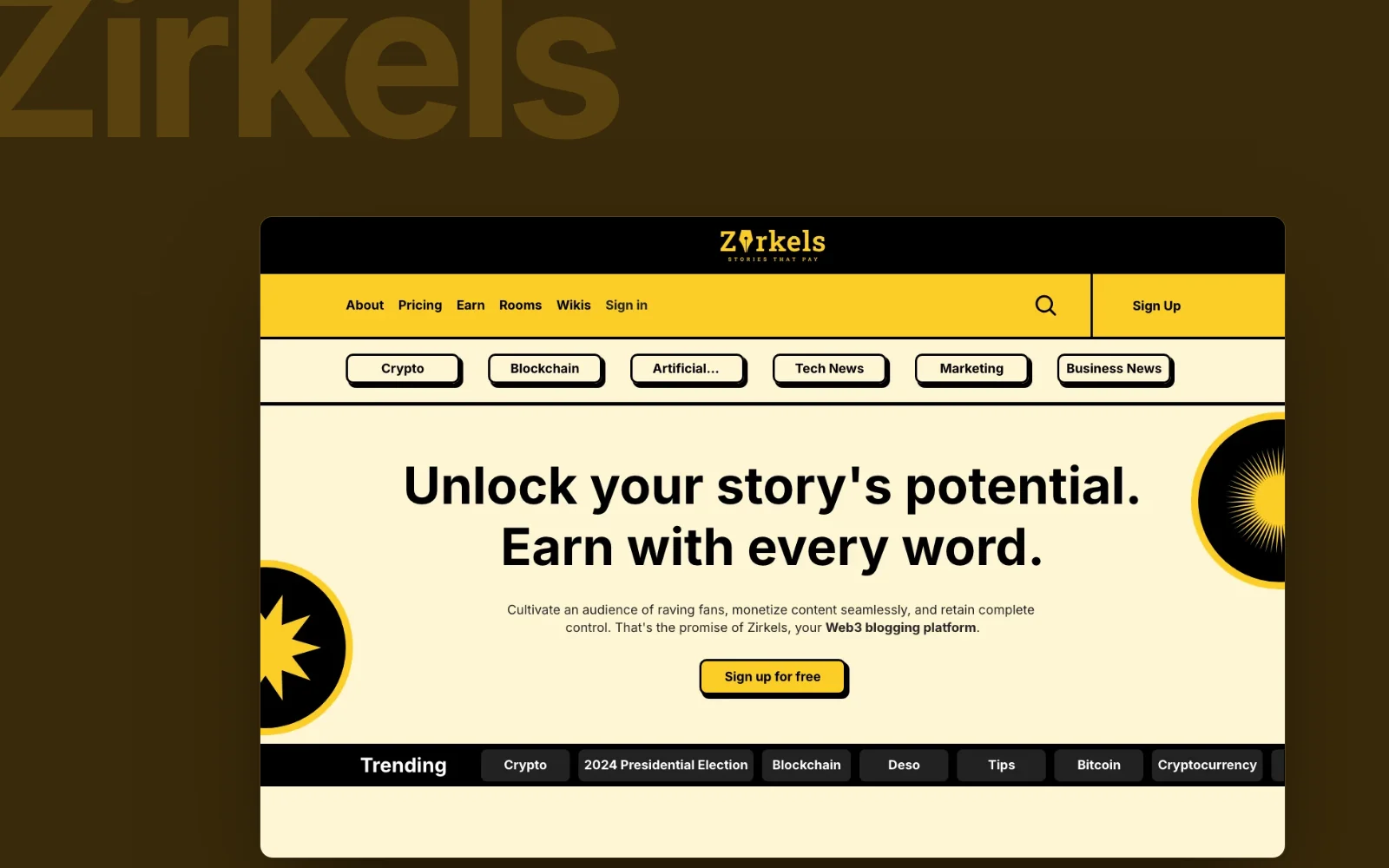 ZirkelsWeb3 publishing platform
Questions we get
- How long before we see something working?
- Most engagements reach a first working system in weeks rather than quarters. We would rather put something narrow in front of real users early than demo a wide thing nobody has used.
- What does it cost?
- It depends on scope, but meaningful progress is possible under $100K, and we will tell you before we start if what you are describing is not.
- Who owns the code?
- You do. That includes the right to take it elsewhere. A build that only we can maintain is a liability we have handed you.
- What happens after launch?
- Software that runs an operation is never finished. We stay on for the period where reality meets the build, and we make sure your team can carry it after that.
Capacity utilisation improved — not because the company suddenly had more ships, but because the information finally existed. The company went on to grow 25-fold.
- 03Usually nextSystems integrationMake the tools you already pay for stop disagreeing with each other.
- 01Usually nextOperational discoveryMap how the business actually runs, before anyone writes code.
Tell us what is slowing the business down. We will tell you whether this is the right place to start.
Start a Conversation