04 · AI integration
AI belongs in the transactional core, not the marketing edge.
Most companies apply AI to the fuzzy periphery — social captions, blog drafts, ticket routing — and conclude it does not move the needle. They are right. That is not where the leverage is.
How it works
The leverage is in the transactional workflow through which customers actually receive value: the quote, the schedule, the report, the exception nobody spotted. Applied there, on a foundation that agrees with itself, AI removes coordination work and preserves knowledge that previously lived in one person's head.
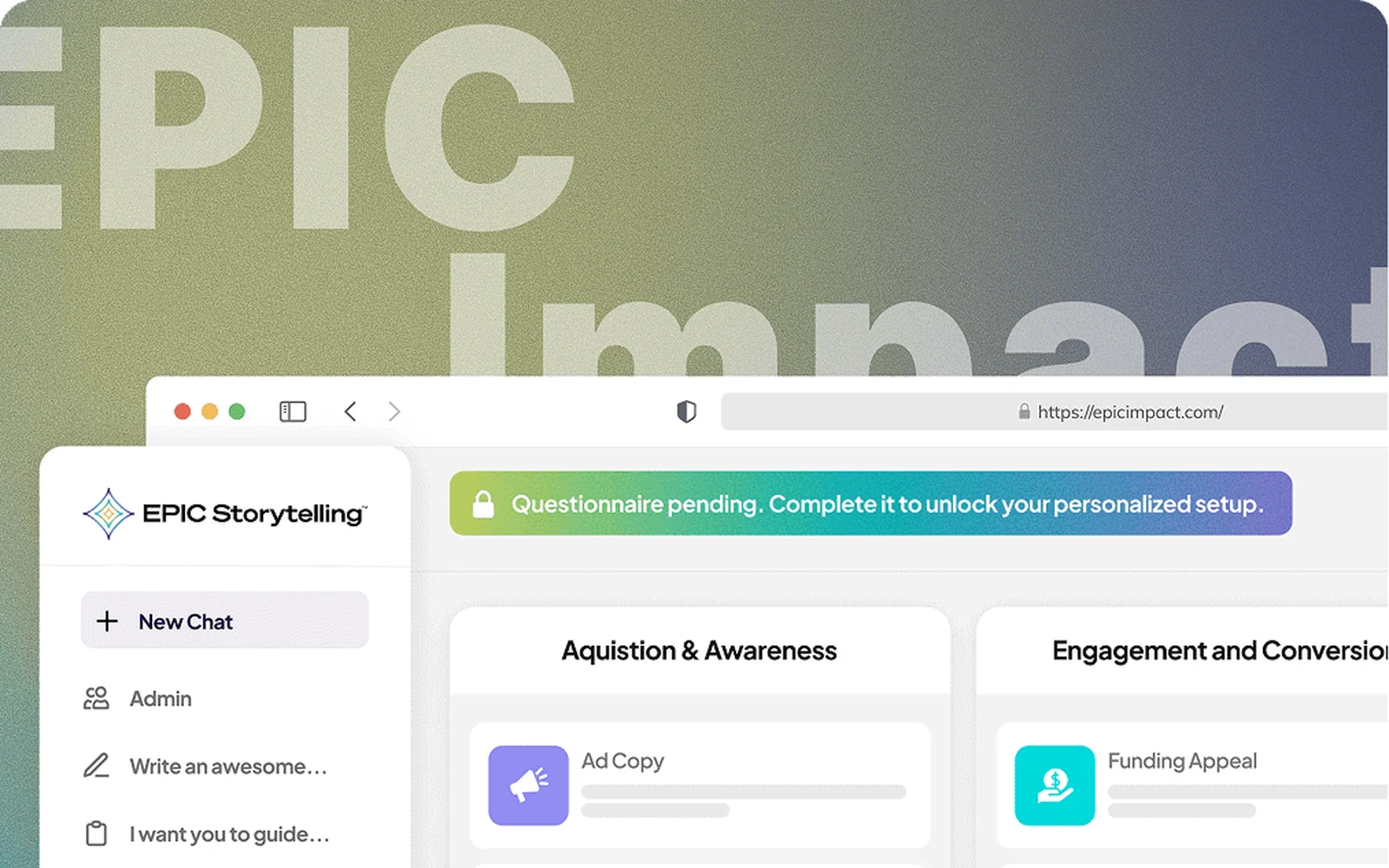
The rule we hold to is that the model never computes anything the system already knows. On GloraFi it writes the executive summary and the trend analysis; every number in the report comes straight from QuickBooks, which is the only way an accountant can put their name on the output. On EPIC Impact it generates against a strategy captured as structured data, which is what makes a board report and a donor appeal sound like the same organisation.
That discipline is also why we sometimes say no. AI on top of systems that disagree gives you confident answers assembled from incoherent data — faster, and harder to catch.
What you get
Concrete things, not a retainer.
AI in core workflows
Applied to the transactional work that delivers value.
Grounded generation
Output built from your own records, with the numbers never invented.
Document and report writing
The summary, the narrative, the proposal — drafted from data you already hold.
Exception surfacing
Problems raised while there is still time to act on them.
Knowledge capture
What one person knows, made available to everyone.
Cost and quality control
Model choice, token cost and evaluation, so it stays affordable and stays right.
How we run it
- 01QualifyWhich decisions or documents actually repeat, and whether the underlying data can support them.
- 02GroundWire the model to your records, so it works from what the business knows rather than from what it guesses.
- 03EvaluateMeasure the output against real cases before it reaches a customer, and keep measuring.
This is for you if
- You want AI but suspect your foundation is not ready
- A previous AI tool solved one problem and created three
- Your team is pasting between a chat window and the real system
- The same document gets written from scratch every week
- You need output a professional can put their name on
What this is not
- A chatbot bolted to a website
- AI written into a proposal because the board asked for it
- Generation on top of data nobody trusts yet



Questions we get
- Is our data ready for this?
- Often not, and that is the most useful thing discovery tells you. Readable operation first, intelligence second — in that order, or the AI amplifies the confusion.
- Which model do you use?
- Whichever fits the job and the budget. Model choice is an implementation detail that should be swappable, and we build it that way.
- Will it make things up?
- Not about your numbers, because we do not let it near them. It writes the narrative; the system supplies the facts. Where judgement is genuinely required, a person still signs it off.
- Does this need a huge dataset?
- No. Most of the value comes from grounding a general model in the records you already have, not from training one of your own.
Businesses are rushing to add AI to operations that aren't readable — not even to themselves. The result is faster confusion.
- 03Usually nextSystems integrationMake the tools you already pay for stop disagreeing with each other.
- 02Usually nextCustom operational softwareThe system your business actually runs on, built around your workflow.
Tell us what is slowing the business down. We will tell you whether this is the right place to start.
Start a Conversation